94%
Patients avoid re-injury
7–14 days
Avg. splint delivery
CHT Certified
Board-certified therapists
Let's begin
Which hand
needs help?
Tap the hand that's giving you trouble. This takes about 90 seconds.
Both hands affected? Choose the more severe side — you can note the other during your free screen.
The therapy journey
What actually happens
when you come in.
Most patients arrive anxious about the unknown. These four phases are the map — read them once and the path becomes clear.
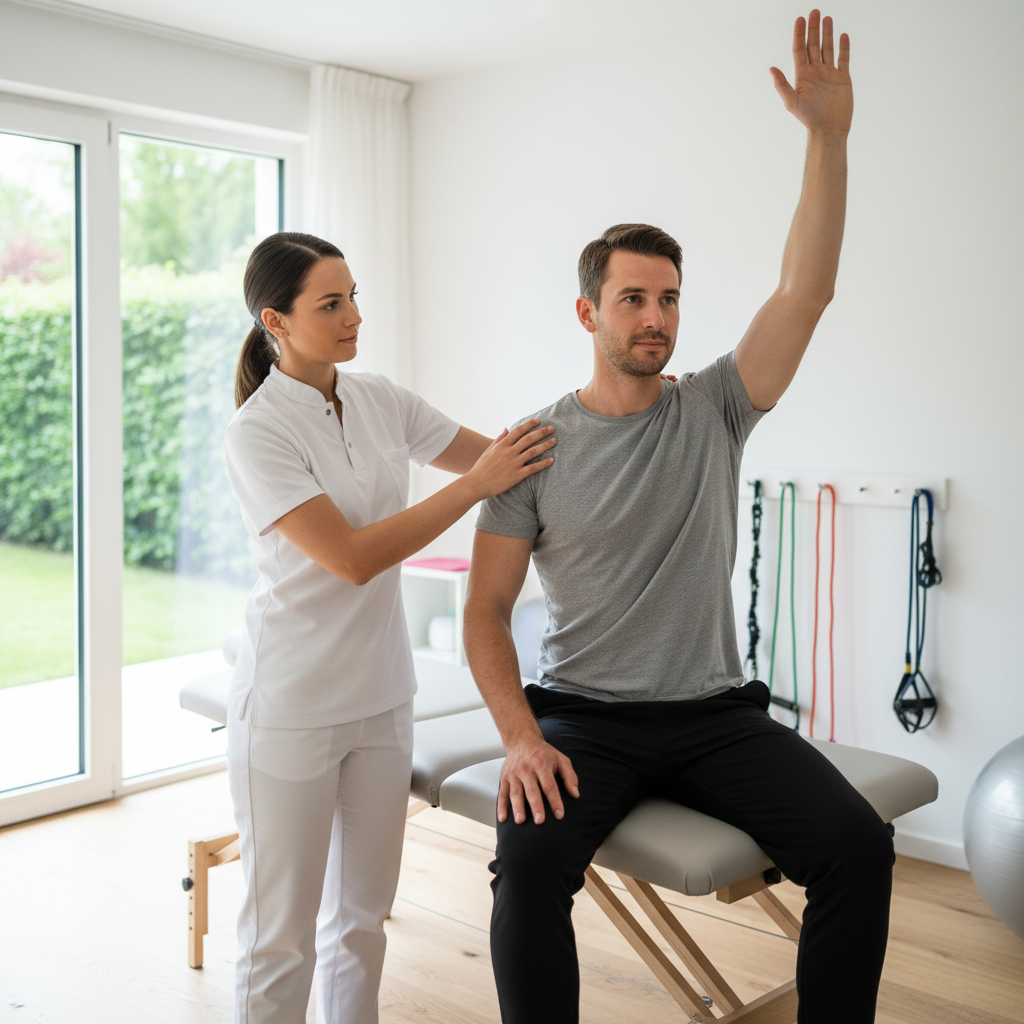
We measure exactly what your hand can do.
Your first session isn't guesswork. Your therapist maps every degree of flexion and extension with a goniometer — a small hinged instrument that reads range of motion like a compass reads direction.
We document grip strength in kilograms, pinch force, swelling circumference, and sensation. By the end of 45 minutes, you have a written baseline and a clear picture of what recovery looks like for your specific hand.
- Full range-of-motion assessment — every joint, every plane
- Grip and pinch dynamometry (numerical, trackable)
- Nerve sensation testing if indicated
- Review of surgical notes or imaging if you have them
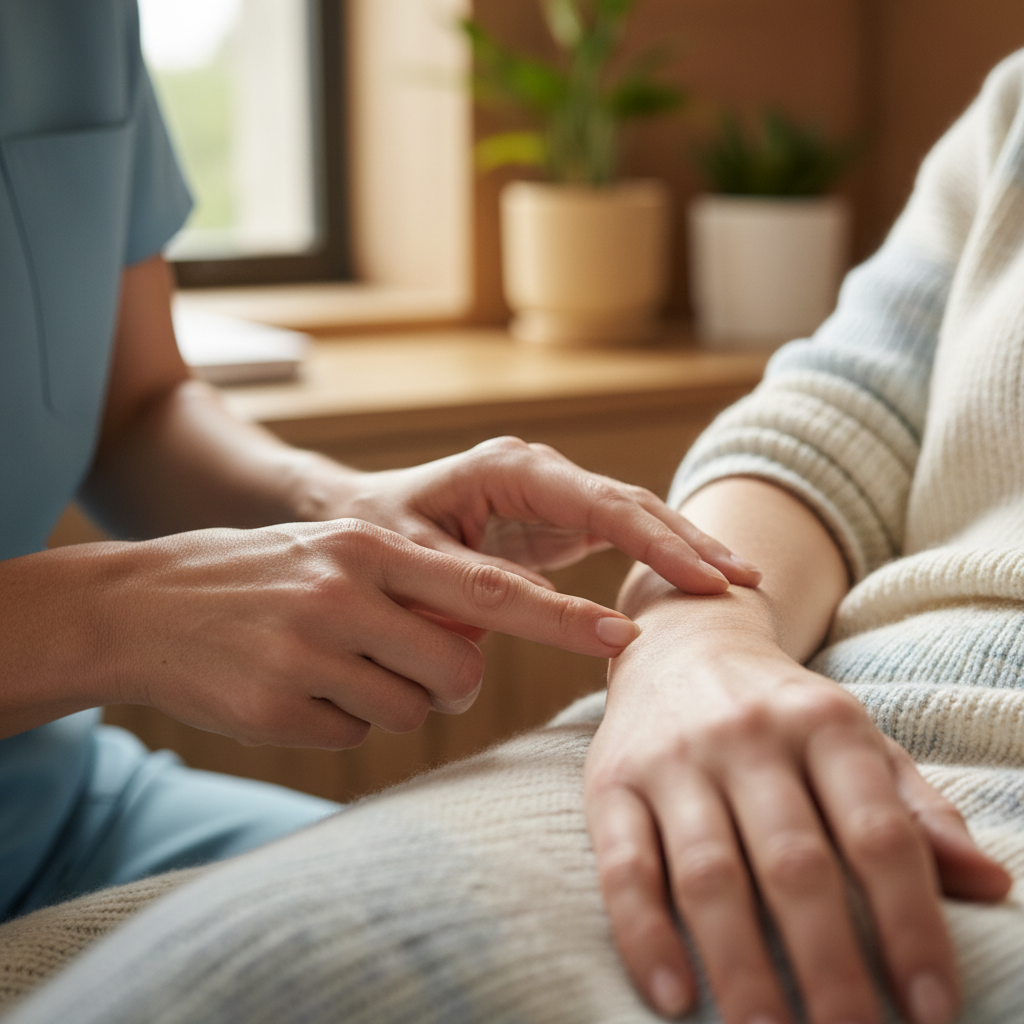
A splint made for your hand. Not a shelf.
Low-temperature thermoplastic heated to 160°F becomes pliable in seconds. Your therapist molds it directly against your hand — contouring to your exact anatomy while it's still warm.
The material sets in under three minutes. What you leave with is a rigid orthosis that positions your fracture, tendon repair, or inflamed joint in the precise angle that promotes healing without restricting circulation.
- Fabricated and fitted in the same appointment
- Trimmed and padded until it feels right, not just correct
- Wear schedule explained — how many hours, when to remove
- Modifications available at every follow-up
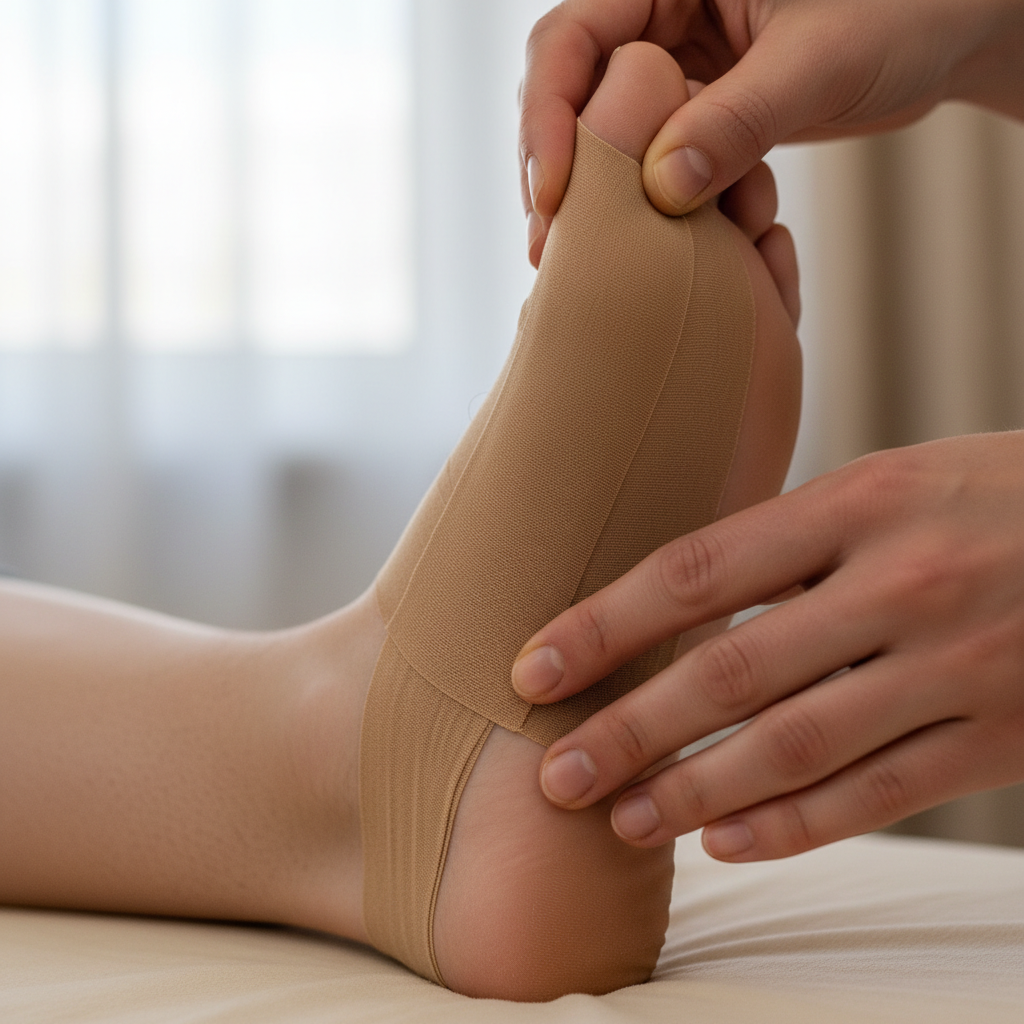
Hands-on work that no exercise can replace.
Scar tissue doesn't stretch on its own. Adhesions form around repaired tendons. Joint capsules tighten after weeks of immobilization. Manual therapy addresses each of these with deliberate, graded force applied by trained hands.
Techniques include joint mobilization (Maitland Grade I–IV), scar desensitization, tendon gliding facilitation, and myofascial release of the intrinsic muscles. Sessions are uncomfortable in the productive way — you feel work happening.
- Maitland joint mobilization, grade matched to your tolerance
- Scar massage — started as early as 3 weeks post-surgical
- Edema management: retrograde massage and compression
- Nerve gliding for carpal tunnel and cubital tunnel cases
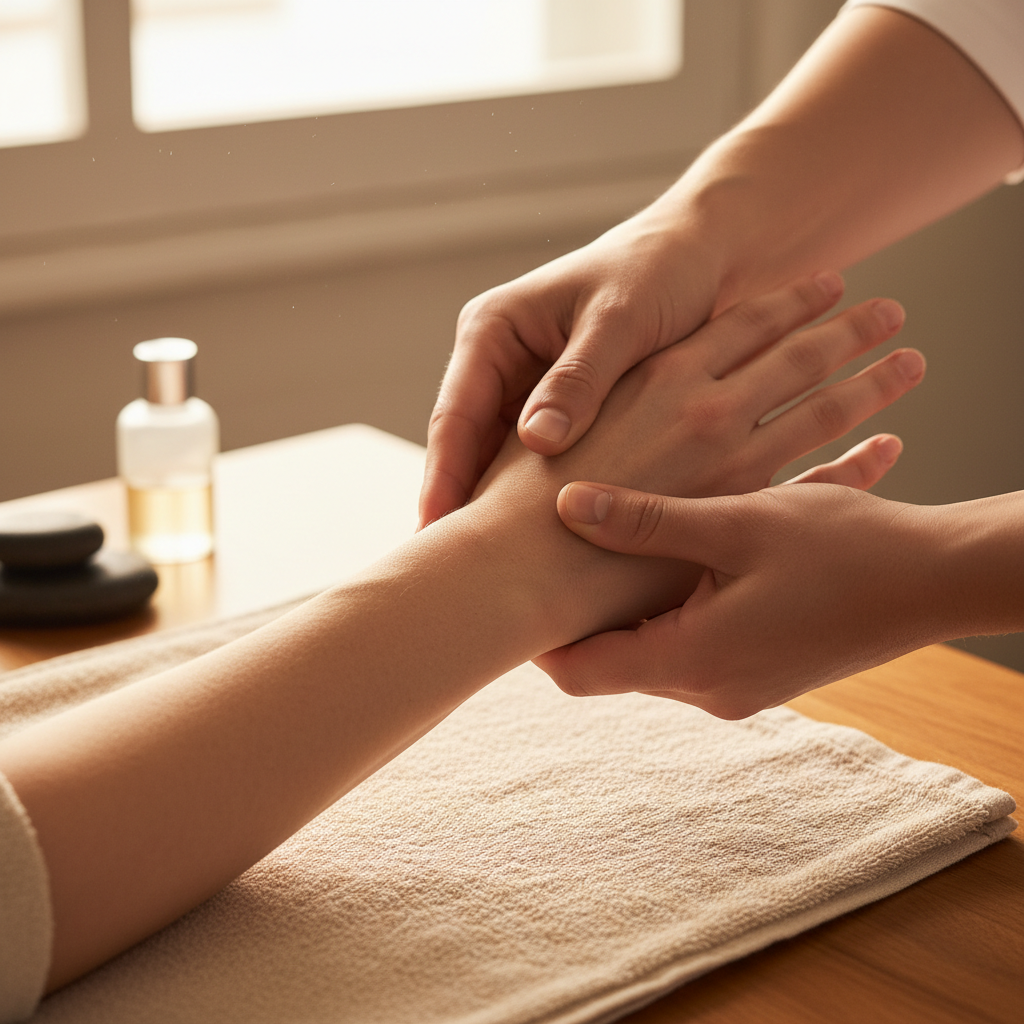
The 15 minutes a day that compound into recovery.
Therapy sessions are 2–3 times a week. The other 165 hours belong to you. Your home program bridges the gap — a short, specific sequence of exercises that reinforce what we work on in the clinic.
We use therapy putty, rubber bands, rice buckets, and your own body weight — nothing that requires a gym. Each exercise comes with a photo, a repetition count, and a clear explanation of what you should feel versus what means stop.
- Putty exercises graded from extra-soft to firm as strength returns
- Tendon gliding sequences (hook, full, straight fist)
- Nerve gliding for numbness or tingling cases
- Progress milestones — you know what "better" looks like

Conditions we treat
If it's in the hand,
we've seen it.
From a table-saw encounter to a decade of typing, each condition has a specific, evidence-based path. Yours is here.
Trigger Finger
The tendon sheath thickens, catching the flexor tendon mid-travel. The finger locks in a bent position — or snaps open with a painful click.
Avg. 6–8 weeks to full resolution
Carpal Tunnel Syndrome
Compression of the median nerve at the wrist causes numbness in the thumb, index, and middle fingers — especially at night.
Conservative splinting first; post-surgical rehab 4–8 weeks
Post-Surgical Rehab
After tendon repair, fracture fixation, or joint replacement, supervised mobilization determines how much function returns.
Protocol-driven, starting day 3–5 post-op
Metacarpal Fractures
Boxer's fractures, finger breaks from falls or machinery. Custom splinting holds reduction while mobilization preserves joint integrity.
4–6 weeks immobilization, then progressive loading
Tendon Injuries
Mallet finger, jersey finger, flexor or extensor lacerations. Early controlled motion protocols reduce adhesion formation.
Controlled motion begins within 72 hours of repair
De Quervain's Tenosynovitis
Inflammation of the tendons at the base of the thumb, aggravated by pinching, lifting, or scrolling. Common in new parents and office workers.
4–6 weeks with thumb spica splinting
Don't see your condition listed? We treat the full spectrum of upper extremity injuries.
Ask About Your ConditionPatient stories
Recovery is specific.
So are these stories.
0°→68°
PIP flexion gained
"I came in after my surgeon cleared me, still barely able to make a fist. Eight weeks later I was back at the woodshop. They didn't just give me exercises — they explained every single step."

Robert Callahan
Flexor tendon repair, dominant hand
6 weeks
To symptom-free sleep
"I'd been waking up three times a night with numb hands for two years. My GP said it was 'probably carpal tunnel' and sent me home. Mend actually measured it, splinted me, and in six weeks I was sleeping through the night."

Diane Okafor
Bilateral carpal tunnel syndrome
98%
Grip strength restored
"My surgeon referred me after a boxer's fracture. I was terrified about losing grip strength — I play guitar. The therapist understood what 'functional' meant to me specifically and built the program around that."
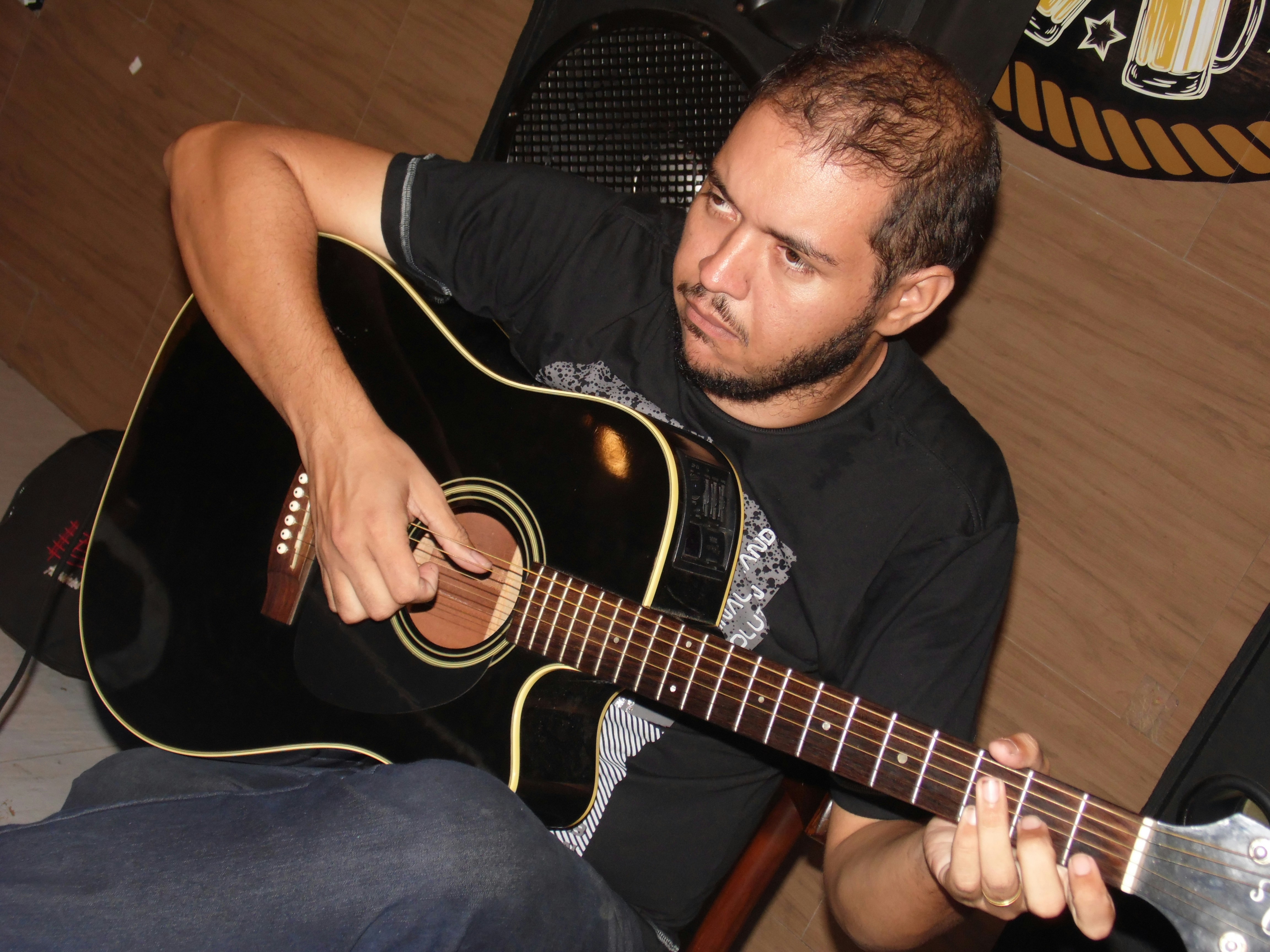
Marcus Chen
5th metacarpal fracture, left hand
340+
patients treated since 2019
4.9
average outcome score (DASH)
CHT
Certified Hand Therapist — the highest credential in our specialty
Your next step
Recovery starts with
knowing the path.
The hardest part of recovery is the uncertainty. Our condition-specific Recovery Roadmaps give you the exact clinical sequence — what happens, when it happens, and what you should feel at each stage.
What's inside your Roadmap PDF
- Week-by-week recovery milestones for your condition
- What each therapy session accomplishes — no surprises
- Home exercise photos with sets, reps, and what to feel
- Red flags: symptoms that mean call us, not wait
- Questions to ask your surgeon at your next visit
Book a Free Screen
A 20-minute call with a CHT. Bring your questions, your imaging, your surgeon's notes. We'll tell you honestly whether hand therapy is the right next step.